
Web3 2026 Introduction: Blockchain for Estate Planning
$4.5 billion were lost to fraud and scams in 2024. And this was 43% more than in 2023. Life in the 21st century has become a paradox. The technology that promises convenience has also become a source of inconvenience, especially for elderly people. Banking details, account statements, transaction records are available with a few taps. Yet a fraudulent call, offering to wire the money to a trusted account, may deprive an old person of their life savings. In such a situation, preserving one’s family legacy, including estate and memories, poses a serious challenge. The solution lies in web3 2026 and its tools like blockchain. Keep reading to know what is the impact of Web3 for seniors.
What is Web3?
Web3 is the 3rd generation of internet that provides users freedom of controlling their data and digital assets and removes dependence on any one central authority. The first generation of internet was just like reading a newspaper. Users could only view the information but could not interact with it. Social media in the modern world is web2, with options of interaction but full control still lies with the parent companies.
In addition to interaction, web3 users will be able to own what they create and share. This is made possible by using blockchain technology. Instead of keeping data on one centralized server, web3 uses shared records agreed on by many computers. These computers can record who owns what and under what conditions an asset can change hands. Smart contracts, non-fungible tokens or NFTs, decentralized identity (DID) and tokenization are building blocks of web3 2026. It means sensitive information is controlled by the owners themselves. Senior citizens’ problems is solved by thwarting the breach of data.
The Hidden Crisis
Older population of the USA is suffering silently from massive losses that are increasing over the years. There are multiple reasons why elderly people are the victims of bad actors. The most important factor is that 75% of American wealth is owned by elderly people. This makes them a lucrative target. Secondly, the elderly are naïve and untactful. They fall for the traps set by scammers. Thirdly, ever-evolving technology is new to them, and they are unaware of the loopholes it has.
Statistics show that many losses of digital assets are not even reported due to the fact that the affected elderly people are ashamed of reporting the incidents. One study found that for every 44 cases of elder financial abuse, only one gets reported to authorities, suggesting the true scale of the problem remains vastly underestimated. Moreover, many holders of digital asses pass away, and the private keys of their assets vanish with the deceased. Scammer use AI tools to talk to senior citizens in voices of their grandchildren, making them elicit sensitive information. Some even pose to be the agents from banks, demanding personal data, which is exploited subsequently.
Web3 2026 Basics for Boomers
In the world where legacy is lost and hopes shattered, blockchain-powered web3 2026 appears like a deliverer. As building blocks of web3, smart contracts are automated instructions that are carried out once certain conditions are met. The head of a family could create a smart contract that automatically transfers ownership of their estate to their children when specific conditions occur, without requiring lawyers, courts, or lengthy legal processes.
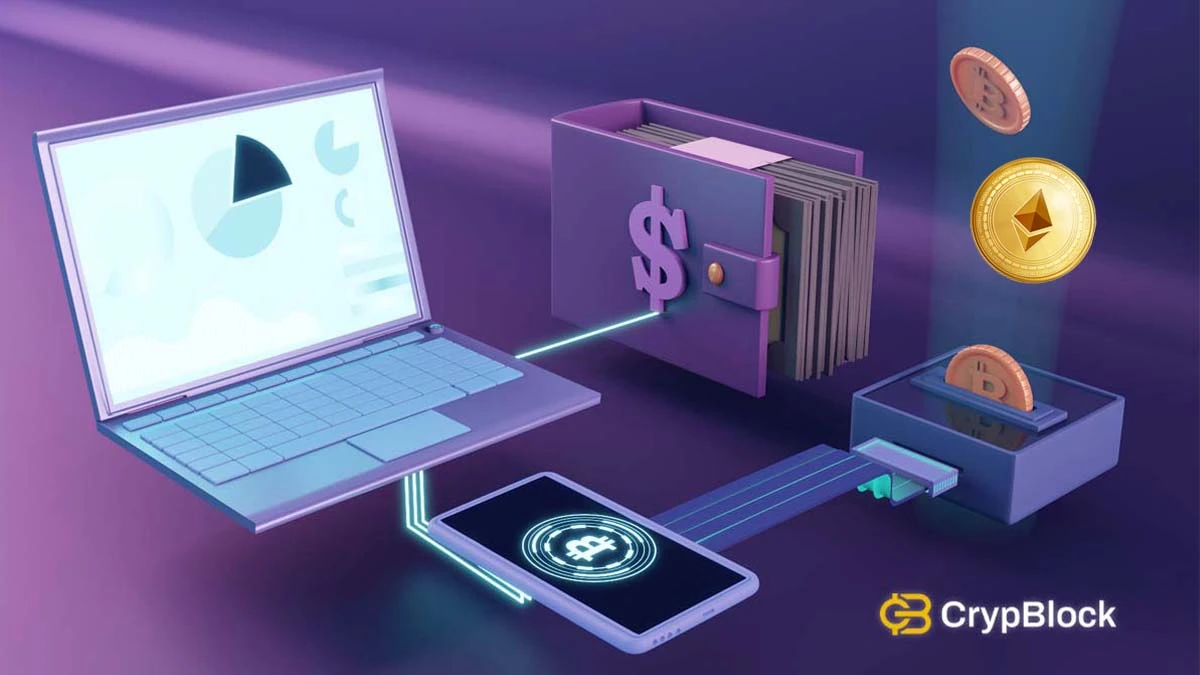
Using crypto wallets also provides seniors with a safe way to store their wealth and save it from intruders. They can store their private keys and seed phrases and share them only with those who are to have a share in the legacy. Mult-signature wallets are a great option where no single party can access or transact amounts. Tools like multisig wallets and custody services make “how to add crypto to a trust” a solvable question for many households.
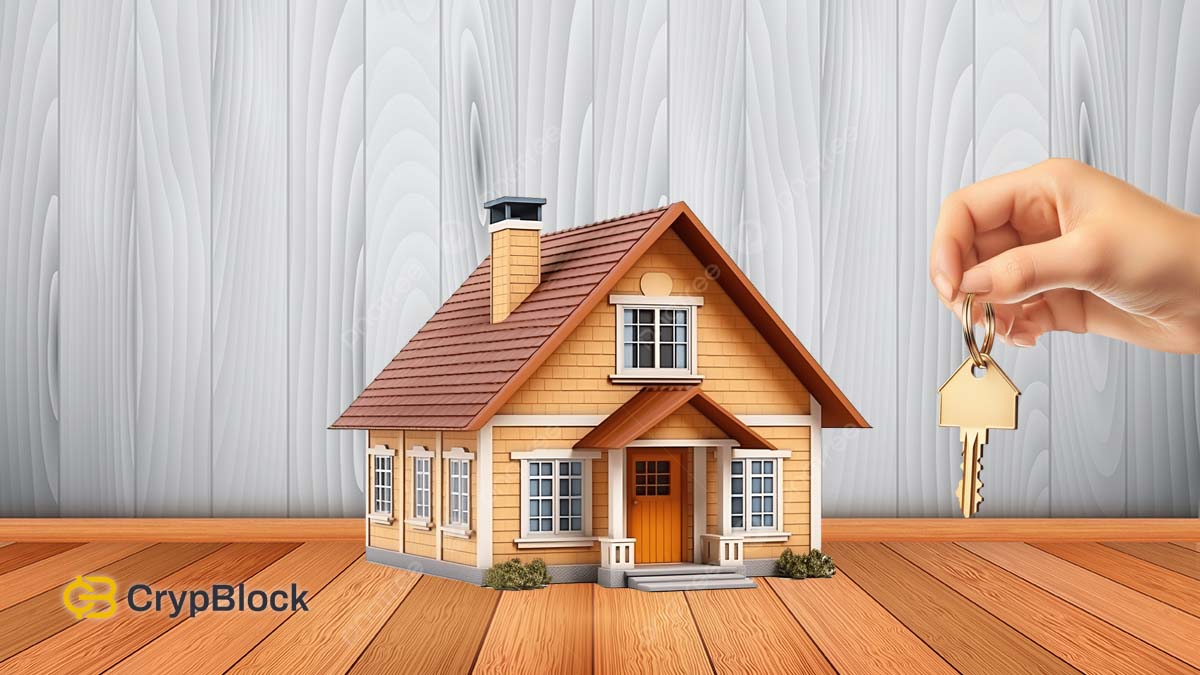
Real-world asset tokenization (RWA) is an ingenious way to digitalize assets like family home or any other assets. This tokenization reached $33 billion in value by October 2025. Furthermore, non-fungible tokens (NFTs), which are mostly considered useless art pieces illogically selling in millions of dollars, are in fact a powerful way to convert any household or intellectual property into a token. For instance, a grandmother’s handwritten recipes, digitized and stored as non-fungible tokens (NFTs), could transfer automatically to grandchildren along with verification that they’re authentic originals, making using NFTs for family inheritance 2025 no less than a wonder.
Additionally, layer 2 scaling (Polygon, zkEVM) act like additional lanes on an expressway. The zero-knowledge proof networks help main blockchains work faster and make transactions cheaper. Distribution of assets of family estate among beneficiaries has become more convenient as it can be carried out at costs much lower than before.
Core Use Cases
Web3 and blockchain facilitate financial protection for elderly people, their planning of legacy and preparation of will. Facilitation comes in many different ways.
Secure Transfer of Crypto Assets on Death
The questions of who should receive which particular crypto assets and under what conditions call for logical solutions as they involve situations not encountered by families till now. Traditionally, creators of will specify trustees to manage their estate until the beneficiaries come of age. Blockchain networks and associated smart contracts can replace the trust (the legal arrangement) by triggering the transaction only when required conditions are met. In this way, the users switch to crypto trust instead of traditional trust options. The same way Web3 Binance initiatives continue to expand the exchange’s ecosystem by integrating decentralized technologies.
Tokenized Will and Tokenized Family Assets Explained
As is evident from the term, a tokenized will means every item of estate, such as money, property, or even family photos, is recorded on the blockchain network in the form of a token. These tokens contain the information of the future owner and the conditions on which the ownership will be transferred.
Defi for Low-Risk Legacy Funds
There are a few conservative DeFi products that grow modestly and offer small earnings. By conservative, we mean stable income and low volatility. Stablecoin savings accounts in the form of $USDT and $USDC offer small interest on reputable lending protocols. DeFi bonds or staking pools offer yield farming on locking the assets for a specified period. Also, tokenized treasury funds are the option, which invest in real-world assets (RWAs) like government bonds offer stable yields with blockchain transparency. These funds remain accessible to beneficiaries under stipulated conditions. Real-world asset (RWA) tokenization is a massive leap forward in web3 ecosystem.
Web3 Tools to Prevent Elder Scams and Blockchain-Based Fraud Alerts for Seniors
An early warning system against suspected and unusual drain of funds is available. This on-chain monitoring can flag doubtful transfers and notifies trusted family members. Thus, elder financial fraud prevention is prioritized by using blockchain-based fraud alerts for seniors.
How to Create a Blockchain Will for Seniors
It is straightforward to make a blockchain will. First, a senior makes an inventory of their belongings. Then, they identify beneficiaries of different articles of the estate. The next step is to lay down the conditions under which the transfer is to be carried out. The last step is to feed all the steps into a smart contract with the help of someone technically savvy enough to manage the Web3 2026 components of the estate. Inheriting Bitcoin or any other digital asset is also possible using the mentioned steps.
Challenges and Future Outlook
Although web3 and blockchain technology is amazing and promising for it offers, it is not without its drawbacks. The complications in technology and legal uncertainty are two major issues posed by the usage of this innovation.
Recovery of lost keys is impossible in the DeFi world. A crypto beneficiary is deprived of their share in legacy, and the digital part of the estate is lost forever. Or, if the physical estate was tokenized, lost keys may imply loss of will. Digital inheritance planning is a challenge for the elderly.
Hacker attacks, phishing scams and fraudulent projects cost senior citizens more than $1.6 billion so far in 2025. Security vulnerabilities are always on the card throughout Web3 and blockchain ecosystem. Such challenges become all the more critical for seniors as it is difficult for them to remain so vigilant as to act proactively.
All educational material regarding the use of blockchain technology assumes some baseline knowledge that many seniors lack. Steep learning curve poses frustration for elderly people. The technicalities like private keys, seed phrases, gas fees and blockchain addresses feel alien to seniors. “Is crypto for family legacy?” one may ask. The answer can be in affirmative as well as negative depending on the situation.
Law and technology are adapting to the changing financial landscape. A few jurisdictions have even recognized certain smart contracts as valid estate planning instruments. Many projects are targeting elderly people and making simplified interface and adding enhanced security features and planning to introduce simple crypto wallet for grandparents. Yet, the adaptation and recognition is not yet up to the level where one could safely declare web3 as a safe haven for senior citizens.
As for legal side, crypto fiduciary (a trusted person or institution legally responsible for managing someone’s cryptocurrency or digital assets in the best interest of the owner or beneficiaries) is a recent advancement focused on tackling with legal complexities. A noteworthy example can be Bitcoin irrevocable trust, which is a permanent legal arrangement in which Bitcoin is transferred to a trustee, who manages it for named beneficiaries, and the creator cannot change or reclaim it once it is set up.
Conclusion
The long and short of the discussion is that web3 ecosystem and blockchain legacy planning provide security, transparency, and satisfaction to senior citizens. Elderly people can make digital will governed by smart contracts. Despite promising innovation, risks and challenges like crypto asset inheritance planning still hamper the adoption and recognition of blockchain for estate planning.
FAQs
How does Web3 help protect seniors from financial fraud?
Web3 uses blockchain technology and smart contracts to secure personal data, automate transactions, and prevent unauthorized access, reducing the risk of scams targeting elderly users.
What is a blockchain will, and how can it secure family inheritance?
A blockchain will records estate details on-chain through smart contracts, ensuring automatic and tamper-proof transfer of assets to beneficiaries under predefined conditions.
Can Web3 and DeFi tools simplify estate planning for families?
Yes, Web3 and DeFi tools enable tokenized wills, digital asset transfers, and secure custody solutions that make managing and distributing family wealth more transparent and efficient.

Umair Younas is a veteran crypto journalist with 6 years of experience. He writes on various categories including Bitcoin ($BTC), blockchain, Web3 and the broader decentralized finance (DeFi) space. He pens well-researched price analysis and prediction articles in addition to credible news articles. He writes easy-to-grasp educational articles to fulfil his aim of creating blockchain awareness.
- Umair Younas

- Umair Younas
- Umair Younas
- Umair Younas



сервисный центр bosch москва сервисный центр bosch