Introduction: The Rise of Tokenized Real Estate in the RWA Era
$41.68 billion of the entire market lies in the coins and tokens that belong to the category of real-world assets (RWA), which accounts for 13.74% of the entire crypto market cap at the moment. In the fast-changing world of science and technology, cryptocurrencies have been attracting an increasing number of investors every year. Of these, the RWA sector has emerged as one of the most demanded categories.
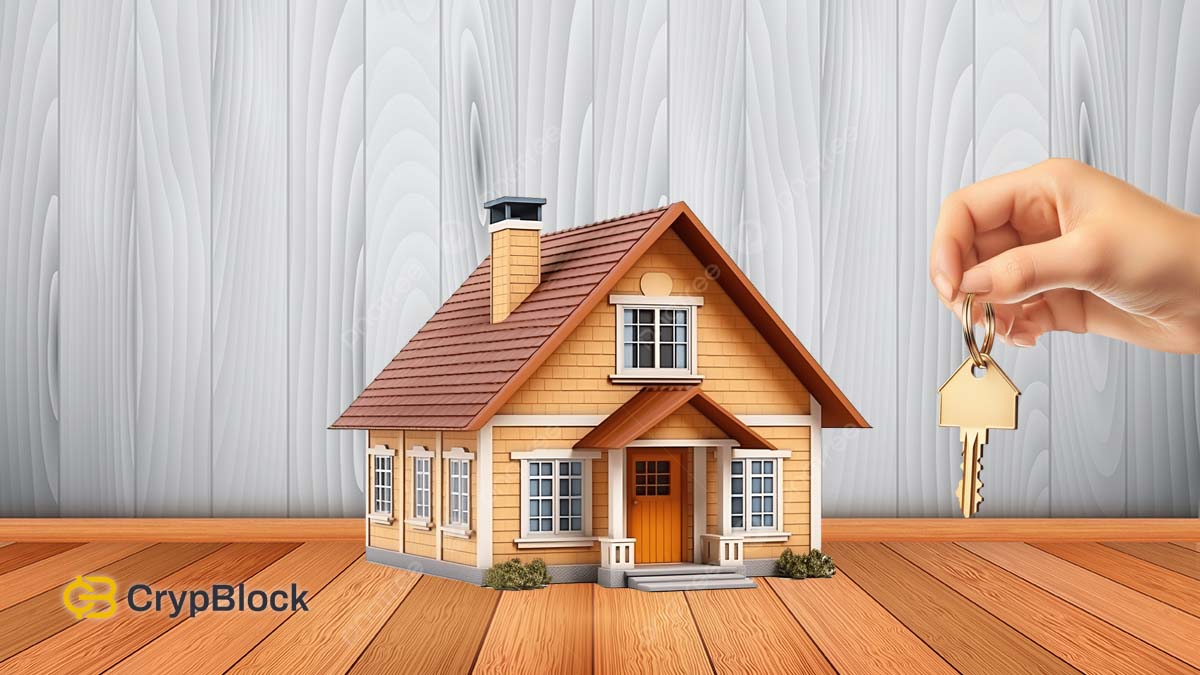
Real-world assets involve converting real-world assets into digital tokens on a blockchain. The tokenized assets can be gold, silver, treasury bills (T Bills), stocks, bonds, and real estate. They bring immense ease in that each of the tokens represents a part of the asset, so you do not need to buy the entire piece of land, for example. Analysts refer to this feature as fractional ownership. Ordinary investors can buy a token for a hundred or even fifty dollars and enjoy the price movement of luxury villas.
RWA Tokenization Trends: Beyond T-Bills into Real Estate, Commodities, and Private Credit
1. What’s Driving the Trend?
The recent sudden boom in the RWA sector is a reverberating testimony to the fact that the crypto market has come out of the emerging phase and is now a well-established field in finance. A significant portion of RWA’s market cap is there in the tokenized real estate. When we study the growth of the sector, we come across three main factors.
Firstly, technological improvements in the world of blockchains have made it very easy to create new tokens, especially on the cheaper and faster options like Polygon and Solana.
Secondly, governments have started recognizing the worth and utility of digital assets. The risk for investors is constantly decreasing as legal clarifications from authorities are coming.
Finally, the aspect of fractional ownership has broadened the range of investors in the RWA sector. Those who could not even think of buying plots, houses, or plazas can now be a kind of shareholders in these high-end investments.
2. Institutional Interest Powering Adoption
Fund managers, exchanges, and other traditional institutions are not silent spectators in this real estate tokenization trend. The New York Stock Exchange (NYSE) is allegedly working in round-the-clock digital token trading platform to support tokenized assets specifically. These developments show that big players have started realizing some solid utility in the tokenized digital assets. In late 2025, JPMorgan announced a tokenized money-market fund called My On-Chain Net Yield Fund (MONY) built on blockchain. Through its BlackRock USD Institutional Digital Liquidity Fund (BUIDL), BlackRock is also expanding its reach into tokenized assets.
3. From Pilot Projects to Everyday Platforms
In the beginning, as with any other experiment, real estate tokenization also took off with pilot projects that mostly targeted wealthy investors. However, things have changed drastically as we enter 2026. Now, people are getting fractional ownership of properties through their phones and computers from the comfort of their couch. Blockchain technology has brought transparency, simplicity, and affordability in the RWA sector.
2026 Case Studies: Platforms Enabling Fractional Ownership in Everyday Assets
Case Study 1: Urban Apartments with RealT and Lofty.ai
To find a tangible example of fractional ownership of the tokenized real estate 2026, you need to study projects like RealT and Lofty.ai, both of which operate in the US. The former platform converts real estate into tokens on Ethereum and other blockchains, and then offers the tokens to common investors who cannot afford to buy real estate on the ground. The token holders subsequently receive rental income directly into their wallets, mostly in the form of stablecoins.
Lofty.ai deals in properties in the area of Memphis and settles their tokenized properties on fast blockchains like Algorand. This company allows investors to start with amounts as low as $50.
How It Works and What it Yields
The working of tokenized real estate is quite simple. A platform converts the value of a property into thousands, or even millions, of tokens, each of which carries a share of the tokenized property. Investors buy these tokens according to their budget and earn returns as specified by the managing platform. The returns are collected and distributed automatically and transparently through a smart contract.
Returns vary from one platform to another. RealT claims to have delivered yields around 9-12% annually. On the other hand, Lofty.ai usually delivers daily profit, but no reliable data is available as to the exact numbers.
Exactly similar practice is being observed in the commercial property sector. Emerging markets (e.g., Southeast Asia, Latin America) are seeing early adoption as tokenization helps attract global capital into local commercial real estate markets. While data varies by project and jurisdiction, annual yields often range from 8–12% when adjusted for fees and occupancy performance competitive with traditional commercial real estate investment trusts (REITs).
Finally, some platforms have specialized in agricultural land and crop income streams. These deals appeal to investors interested in sustainable assets and offer exposure to a different type of real estate. Although it is still less standardized than commercial urban properties, early data suggest stable mid-range yields, often linked with seasonal income and commodity prices.
ROI Breakdowns and Comparisons: Tokenized vs. Traditional Real Estate
Investors considering tokenized real estate often compare it with traditional forms like REITs (Real Estate Investment Trusts) or direct property ownership.
1. Yield Comparison
| Investment Type | Typical Yield | Liquidity | Fees |
| Tokenized Real Estate | 8–15% | High (on some platforms) | Medium |
| Traditional REITs | 4–8% | Medium | Often higher |
| Direct Property Ownership | Varies | Low | High (management + taxes) |
Tokenized assets often offer higher yields because they remove many middlemen and automate income distribution via smart contracts.
2. Liquidity Advantages
Data reveals that a large majority in the traditional real estate market is stuck due to low liquidity and a constantly increasing trend towards commodities like gold and silver. Contrarily, tokenized real estate is traded on DeFi platforms where the tokens are bought and sold far more easily than in the traditional market.
V. Hidden Risks and Challenges in Tokenized Real Estate
No investment is without risk, and tokenized real estate carries its own set:
1. Smart Contract and Custody Risks
Blockchains rely on code (smart contracts) to automate payments. Bugs or vulnerabilities in this code can create security issues. Investors must choose platforms with audited and verified contracts.
2. Market Volatility and Regulation
Real estate tokens exist at the intersection of crypto and property law. Regulatory changes can affect how tokens are traded or taxed, especially in emerging markets.
3. Liquidity May Vary
While many tokenized assets have active markets, liquidity is not guaranteed. Not all tokens have deep secondary markets, and that can make selling at the desired price difficult.
4. Legal Ownership Structure
Some tokenized assets still rely on legal structures like SPVs (Special Purpose Vehicles). In these cases, tokens may not represent direct ownership of land or buildings, but rather contractual rights to income.
Conclusion
Tokenized real estate in 2026 has moved beyond niche pilot programs into a practical investment option for everyday users. By enabling fractional ownership, automated income distribution, and improved liquidity, blockchain-based real estate platforms are reshaping how people access property markets. While risks around regulation, liquidity, and smart contracts remain, tokenization is steadily bridging the gap between traditional real estate and digital finance, opening new opportunities for diversified, global participation.
What is tokenized real estate?
Tokenized real estate is the process of representing property ownership or income rights as blockchain-based tokens, enabling fractional ownership and easier trading.
Is tokenized real estate profitable in 2026?
Many platforms report annual yields ranging from 8–15%, but returns vary by property type, platform fees, and market conditions.
How much money do I need to invest in tokenized real estate?
Some platforms allow entry with as little as $50–$100, making real estate exposure accessible to smaller investors.
This article is for informational and educational purposes only and does not constitute financial or investment advice. Cryptocurrency and tokenized real estate investments involve risk, including potential loss of capital. Readers should conduct their own research and consult professionals before making any investment.

Umair Younas is a veteran crypto journalist with 6 years of experience. He writes on various categories including Bitcoin ($BTC), blockchain, Web3 and the broader decentralized finance (DeFi) space. He pens well-researched price analysis and prediction articles in addition to credible news articles. He writes easy-to-grasp educational articles to fulfil his aim of creating blockchain awareness.
- Umair Younas

- Umair Younas
- Umair Younas
- Umair Younas