


How Delay-Tolerant Blockchain Can Govern Space Resources on Mars and the Moon
A delay-tolerant blockchain is a distributed system designed to function despite long communication delays between Earth, the Moon, and Mars.
A delay-tolerant blockchain is a distributed system designed to function despite long communication delays between Earth, the Moon, and Mars.

This article explains how liquidity influences Bitcoin and the wider crypto market. It explores how money supply will shape BTC performance in 2026.

Tokenized real estate is the process of representing property ownership or income rights as blockchain-based tokens, enabling fractional ownership and easier trading.

Ethereum staking is explained in this article: why the largest $ETH wallet is a deposit contract, not a whale, and why it poses no market risk.
2026 crypto market will emerge as more mature, and stabler than in the past due to adoption, ETF inflows, governmental nods, and key upgrades in the protocols.

AI agents transforming DeFi with yield optimization and autonomous trading with on-chain signals to mitigate risks ahead in the decentralized AI finance.
AI tokens yields are rewards earned by staking AI tokens or providing GPU compute power to decentralized AI networks.
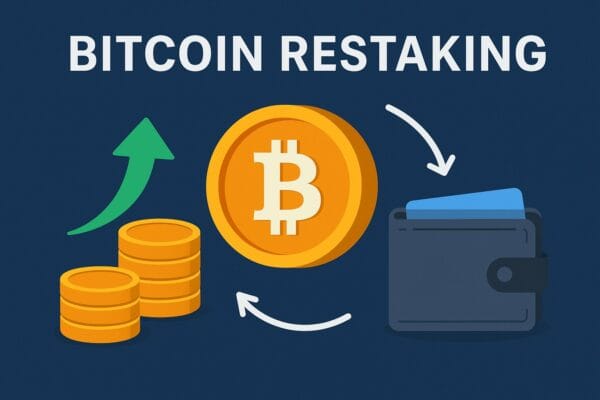
Learn how Bitcoin restaking works in 2025, how to earn liquid yields, and how to avoid risks. A clear guide on $BTC restaking, LRTs, and safety steps.
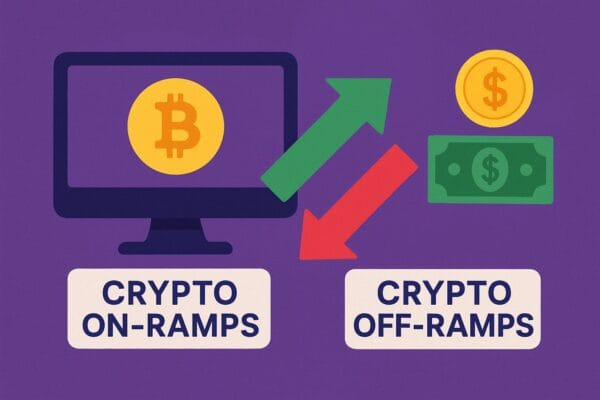
On-ramps and off-ramps are crypto payment gateways. On-ramps provide entry into the crypto market while off-ramps enable to sell digital assets for fiat.
Stablecoins offer fast, secure, and stable digital payments backed by fiat or assets which makes them essential in trading, DeFi, and global transactions.